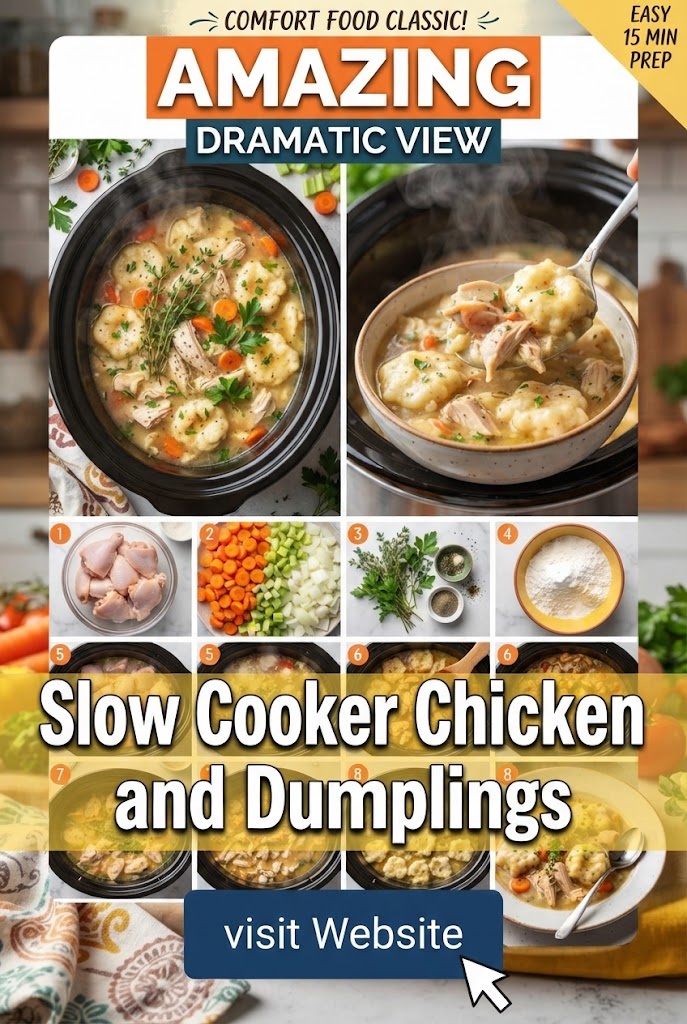
Slow Cooker Chicken and Dumplings
There is perhaps no dish in the American culinary canon that evokes the feeling of home quite like chicken and dumplings. It is a dish that transcends mere sustenance; it is a warm hug in a bowl, a nostalgic journey to grandmother’s kitchen, and the ultimate antidote to a cold, rainy afternoon. When you marry this timeless classic with the modern convenience of the slow cooker, you create a culinary powerhouse that is as effortless as it is delicious.
In this comprehensive guide, we will dive deep into the world of slow cooker chicken and dumplings. We will explore its historical roots, dissect the science of why the slow cooker is the superior vessel for this dish, analyze the “great dumpling debate,” and provide you with a foolproof roadmap to creating the most succulent, flavorful meal your family has ever tasted.
The Cultural Heritage of Chicken and Dumplings
To understand why we love chicken and dumplings so much, we have to look back at where it came from. While many associate it strictly with the American South, the concept of dough boiled in a savory broth is a global phenomenon. From the schnitzels and spaetzle of Central Europe to the gnocchi of Italy and the suiseiki of Japan, humans have been dropping bits of starch into hot liquid for centuries.
In the United States, chicken and dumplings gained massive popularity during the Great Depression. It was a “stretch” meal—a way to feed a large family using a single chicken and inexpensive pantry staples like flour, lard, and salt. Over time, it evolved from a dish of necessity into a celebrated comfort food. Regional variations emerged: the “slick” or “rolled” dumplings of the Mid-Atlantic, which are more like thick noodles, and the “drop” or “biscuit” dumplings of the Deep South, which are fluffy, cloud-like pillows.
By using a slow cooker, we are honoring this tradition of slow-simmered goodness while adapting it to the fast-paced life of the 21st century.
Why the Slow Cooker is a Game-Changer
The slow cooker (often referred to by the brand name Crockpot) is uniquely suited for chicken and dumplings for several reasons:
- Enzymatic Breakdown: Slow, low-heat cooking allows the connective tissues in chicken (especially thighs) to break down into gelatin. This results in meat that literally melts in your mouth and a broth that has a rich, velvety body.
- Flavor Infusion: Because the ingredients spend hours mingling at a gentle simmer, the aromatics—onions, celery, carrots, and herbs—permeate every fiber of the chicken and every bubble in the dumplings.
- Steam Management: The heavy lid of a slow cooker traps steam perfectly. This is crucial for dumplings, which need a humid environment to rise and “poach” properly without becoming dry or tough.
- Convenience: The “set it and forget it” nature of the appliance means you can prep your base in the morning and only need to spend five minutes adding the dumplings before dinner.
Choosing Your Ingredients: The Anatomy of a Perfect Pot
Every ingredient in slow cooker chicken and dumplings serves a specific purpose. To achieve “Google-ranked” quality at home, you must choose your components wisely.
The Protein: Breast vs. Thigh
This is the first major decision.
- Chicken Breasts: These are leaner and easier to shred. However, they can occasionally become dry if cooked for too long (over 8 hours). If using breasts, it is vital to ensure they are submerged in liquid.
- Chicken Thighs (Recommended): Boneless, skinless thighs are the secret to the best slow cooker chicken and dumplings. They have a higher fat content and more dark meat, which stays incredibly juicy during the long cooking process. They provide a deeper, more “chicken-y” flavor to the gravy.
The Aromatics: The “Holy Trinity”
A classic mirepoix is essential. You want finely diced onions, carrots, and celery. These provide the foundational sweetness and earthiness. For an extra layer of flavor, consider adding minced garlic or even a leek for a subtle, onion-like sweetness.
The Liquid Base: The Secret to Creaminess
There are two main schools of thought here:
- The Shortcut Method: Using condensed “Cream of Chicken” or “Cream of Celery” soup. This provides an instant, stable thickness and a nostalgic flavor profile.
- The From-Scratch Method: Using high-quality chicken bone broth, heavy cream, and a roux (flour and butter). This results in a cleaner, more sophisticated flavor.
The Herbs: Fresh vs. Dried
While dried herbs are convenient and work well in long simmers, adding a sprig of fresh thyme or a bay leaf can elevate the dish significantly. Poultry seasoning (a blend of sage, rosemary, and thyme) is a classic choice that hits all the right nostalgic notes.
The Great Dumpling Debate: Which Style is Best?
The “dumpling” part of the dish is where most of the creative energy (and controversy) lies. Depending on your texture preference, you have three primary options:
1. The Refrigerated Biscuit Method (The Fan Favorite)
This is the most popular method for slow cooker recipes. Using “Grands” or similar flaky refrigerated biscuits, you simply cut each biscuit into quarters or eights and drop them in.
- Pros: Extremely easy, consistently fluffy, and they hold their shape well.
- Cons: Can be a bit salty, and some purists find them “cheating.”
2. The From-Scratch Drop Dumpling
A simple batter made of flour, baking powder, salt, melted butter, and milk. You spoon these onto the top of the bubbling chicken mixture.
- Pros: Total control over ingredients; the most authentic “homemade” taste.
- Cons: If the slow cooker isn’t hot enough, they can sometimes dissolve into the broth instead of setting.
3. The Rolled “Slick” Dumpling
This dough is rolled thin and cut into squares or strips, then layered into the pot.
- Pros: Dense and chewy, much like an extra-thick noodle. Very hearty.
- Cons: Can stick together in the slow cooker if not layered carefully.
Step-by-Step Mastery: The Ultimate Slow Cooker Recipe
Now, let’s walk through the process of creating a masterpiece. This recipe focuses on a hybrid approach—maximum flavor with manageable effort.
Phase 1: The Base (6-7 Hours on Low or 3-4 Hours on High)
- Layer the Vegetables: Place 1 cup of diced carrots, 1 cup of diced celery, and 1 medium diced onion at the bottom of a 6-quart slow cooker.
- Add the Chicken: Place 1.5 to 2 lbs of boneless, skinless chicken thighs on top of the vegetables.
- Seasoning: Sprinkle with 1 teaspoon of garlic powder, 1 teaspoon of dried thyme, 1/2 teaspoon of black pepper, and a pinch of salt (remembering that broth/soup can be salty).
- The Liquid: Pour in 2 cups of high-quality chicken broth and two 10.5-ounce cans of condensed cream of chicken soup. Do not stir yet; let the soup sit on top to prevent the chicken from drying out.
- Cook: Cover and cook until the chicken is tender enough to shred with two forks.
Phase 2: The Shredding
Once the timer is up, remove the chicken to a plate. Use two forks to shred it into bite-sized chunks. Return the chicken to the slow cooker and stir everything together. This is also the time to add a cup of frozen peas if you like a pop of color and sweetness.
Phase 3: The Dumplings (The Final 45-60 Minutes)
- Prep the Dough: If using refrigerated biscuits, cut 1 can (8 count) into small pieces. Roll each piece in a little bit of flour—this is a pro tip! The flour on the outside of the biscuit helps thicken the gravy as they cook.
- The Placement: Gently submerge the pieces into the liquid. They should be mostly covered but can overlap slightly.
- The “No-Peep” Rule: This is the most critical step. Close the lid and do not open it for at least 45 minutes. Every time you lift the lid, you release the steam necessary to cook the center of the dumplings.
- Final Check: The dumplings are done when they have doubled in size and no longer look “doughy” in the center.
Pro-Tips for a Google-Worthy Result
To make this the best chicken and dumplings you’ve ever had, keep these expert secrets in mind:
- The Flour Toss: As mentioned, tossing your biscuit pieces in a little flour before adding them to the pot prevents them from sticking together and adds a wonderful thickness to the sauce.
- Temperature Matters: Never add dumplings to a cold slow cooker. Ensure the liquid is bubbling or at its peak heat before dropping the dough.
- Heavy Cream Finish: For a truly decadent experience, stir in 1/4 cup of heavy cream right before serving. It adds a glossy finish and a luxurious mouthfeel.
- Don’t Overmix: When you add your dumplings, don’t stir them vigorously. You want them to sit on top and poach. Stirring will break them apart and turn your dinner into a thick paste.
Variations to Suit Every Palate
While the classic version is hard to beat, the slow cooker is a versatile tool that allows for many variations:
1. The “Healthy-ish” Version
Swap the condensed soups for a mixture of Greek yogurt and chicken broth thickened with a cornstarch slurry. Use chicken breasts instead of thighs and double the amount of vegetables, adding kale or spinach in the final 20 minutes.
2. The Pot Pie Style
Add more traditional pot pie vegetables like potatoes and corn. Top with a few cracks of fresh black pepper and serve over a base of mashed potatoes for a truly “carb-on-carb” comfort experience.
3. The Herbed Dumpling
If making dumplings from scratch, fold in fresh chopped parsley, chives, or even a half-cup of shredded cheddar cheese into the dough. This adds visual appeal and a localized burst of flavor within the dumpling itself.
4. The Spicy Southern Kick
Add a diced jalapeño to the mirepoix and a dash of cayenne pepper to the broth. The creaminess of the sauce will mellow the heat, creating a sophisticated “Cajun-adjacent” flavor profile.
Troubleshooting Common Issues
Even the best cooks run into trouble sometimes. Here is how to fix the most common slow cooker chicken and dumpling woes:
- My dumplings are raw in the middle!
- The Cause: You likely lifted the lid too many times, or the slow cooker wasn’t hot enough.
- The Fix: Cook for an additional 20-30 minutes on HIGH and resist the urge to peek.
- The sauce is too thin.
- The Cause: Too much broth or not enough starch from the dumplings.
- The Fix: Mix 1 tablespoon of cornstarch with 2 tablespoons of cold water to create a slurry. Stir it into the liquid (around the dumplings) and cook on high for 15 minutes.
- The sauce is too thick.
- The Cause: The dumplings absorbed too much liquid.
- The Fix: Simply stir in a little more warm chicken broth or a splash of milk until you reach your desired consistency.
- The chicken is tough.
- The Cause: You used chicken breasts and cooked them on “High” for too long.
- The Fix: Next time, use chicken thighs and stick to the “Low” setting for a longer period.
Serving and Pairing Suggestions
Chicken and dumplings is a complete meal on its own, but the right side dishes can balance the richness of the dish.
- The Acid Component: Because the dish is very rich and creamy, it pairs beautifully with something acidic. A bright green salad with a sharp lemon vinaigrette or a side of pickled beets works wonders.
- The Crunch: Since the main dish is soft and pillowy, serving it with roasted Brussels sprouts or honey-glazed carrots provides a necessary textural contrast.
- The Drink: A crisp, dry white wine like a Sauvignon Blanc or a Pinot Grigio cuts through the creaminess. For non-alcoholic options, a sparkling apple cider or a strong iced tea is perfect.
Storage and Reheating: Making the Most of Leftovers
Chicken and dumplings is one of those rare dishes that might actually taste better the next day as the flavors continue to develop. However, storing it requires a little care.
- Storage: Store leftovers in an airtight container in the refrigerator for up to 3-4 days. Note that the dumplings will continue to soak up the sauce as they sit, so it will be much thicker the next day.
- Reheating: Do not use the microwave if you can avoid it, as it can make the dumplings rubbery. Instead, reheat on the stove over low heat. Add a splash of milk or chicken broth to loosen the sauce back to its original consistency.
- Freezing: You can freeze the chicken and gravy base easily. However, cooked dumplings do not freeze and thaw well; they tend to become mushy. If you plan on freezing, do so before adding the dumplings. When you’re ready to eat, thaw the base, bring it to a simmer on the stove, and add fresh dumplings then.
The Nutritional Breakdown: What’s in Your Bowl?
While chicken and dumplings is firmly in the “comfort food” category, it does offer significant nutritional benefits.
- Protein: Chicken is an excellent source of lean protein, essential for muscle repair and satiety.
- Vegetables: Carrots provide Vitamin A (Beta-carotene), while celery and onions offer antioxidants and fiber.
- Carbohydrates: The dumplings provide the glucose needed for energy, making this an ideal meal for active families or after a long day of work.
- Bone Broth: If using high-quality broth, you’re getting collagen and minerals that support gut health and joint function.
To lower the sodium content, always opt for “low-sodium” versions of broth and condensed soups, and season with herbs rather than salt.
The Science of Satiety: Why This Recipe Works
There is a scientific reason why we feel so good after a bowl of chicken and dumplings. The combination of protein (chicken) and complex carbohydrates (dumplings/veggies) triggers the release of serotonin in the brain. Furthermore, the warm temperature of the dish increases blood flow to the digestive system, creating a physical sensation of relaxation.
By using a slow cooker, you are also utilizing a cooking method that preserves more of the nutrients than high-heat frying, while the sealed environment ensures that no flavor—or vitamins—escape through steam.
Frequently Asked Questions (FAQs)
Can I make this in an Instant Pot?
Yes! However, the timing changes drastically. You would pressure cook the chicken and vegetables for about 10-12 minutes, then use the “Sauté” function to simmer the dumplings at the end. The slow cooker remains superior for texture, but the Instant Pot is a great time-saver.
Can I use frozen chicken?
It is generally recommended to thaw chicken before putting it in a slow cooker to ensure it reaches a food-safe temperature quickly enough. If you must use frozen, increase the initial cooking time by at least 2 hours and ensure the internal temperature of the chicken reaches 165°F.
What if I don’t have condensed soup?
You can make a quick homemade version! Melt 3 tablespoons of butter, whisk in 3 tablespoons of flour, and then slowly add 1 cup of milk and 1/2 cup of chicken broth. Season with salt and pepper. This replaces one can of soup.
Why are my dumplings dark or gray?
This can happen if you use a lot of black pepper or if the dough reacts with a cast-iron element. More commonly, it happens if the dumplings are overcooked. Stick to the 45-60 minute window for the best color.
Final Thoughts: The Joy of the Slow Cooker
The slow cooker chicken and dumpling experience is about more than just food. It’s about the aroma that fills your home at 4:00 PM, signaling that the workday is ending and a warm meal is waiting. It’s about the ease of serving a crowd without being stuck over a hot stove while guests are over.
Whether you are a seasoned chef looking for a reliable weeknight staple or a beginner cook wanting to impress your family, this recipe is a guaranteed success. It is forgiving, customizable, and deeply satisfying.
In a world that is constantly moving faster, there is something revolutionary about slowing down. The slow cooker forces us to wait, to let physics and chemistry do their work over hours rather than minutes. And as anyone who has ever bitten into a perfectly poached, broth-soaked dumpling can tell you: the wait is always worth it.
So, dust off that Crockpot, chop up some carrots, and prepare to create a meal that will be talked about for years to come. Your journey to the ultimate comfort food starts now.
Summary Checklist for Success
- Prep: Dice your mirepoix (onions, carrots, celery) evenly.
- Protein: Use chicken thighs for maximum juiciness.
- Liquid: Combine broth and cream soups for a rich base.
- Heat: Cook on LOW for 6-7 hours to develop deep flavor.
- Dumplings: Toss biscuit pieces in flour before adding.
- Patience: Do NOT open the lid while the dumplings are steaming.
- Finish: Add a splash of heavy cream and fresh parsley for a gourmet touch.
Enjoy your culinary creation—the quintessential American comfort dish, perfected for the modern home.