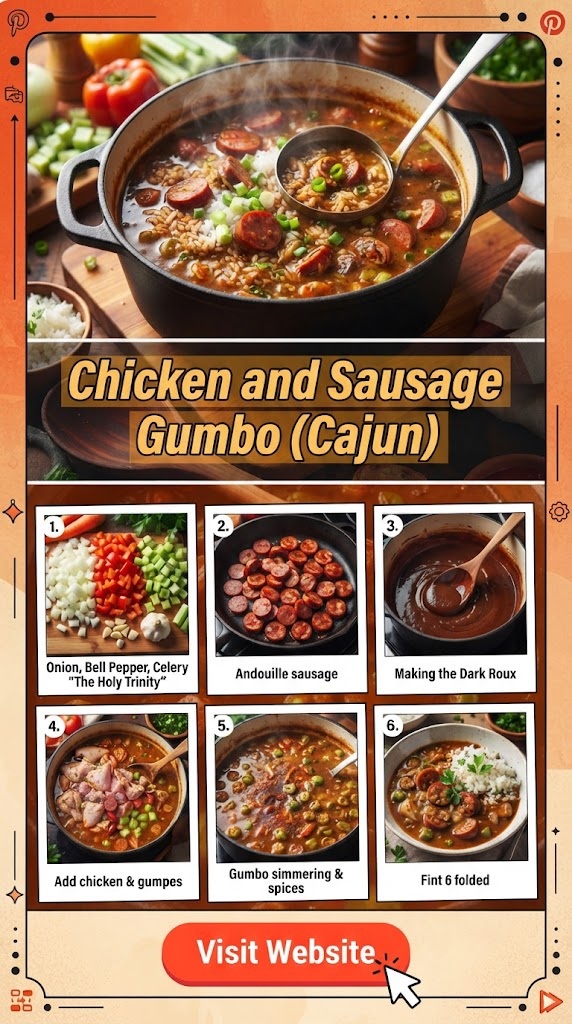
One-Pot Chicken Chunks Recipe for a Cozy Family Meal – With Simple Ingredients and Easy Step-by-Step Instructions
There is something especially comforting about a warm, homemade chicken dinner that fills the kitchen with delicious aromas and brings everyone to the table. This One-Pot Chicken Chunks Recipe is designed for exactly those kinds of meals. It uses simple ingredients, straightforward preparation, and one cooking pot, making it an excellent choice for busy weeknights, relaxed weekends, or cozy family dinners.
Tender pieces of chicken are seasoned with everyday spices, browned for extra flavor, and then gently cooked with vegetables and a savory sauce. The result is a hearty dish with juicy chicken chunks, flavorful vegetables, and a rich, comforting cooking liquid that brings everything together.
One of the best things about this recipe is its flexibility. You can serve the chicken chunks with rice, bread, mashed potatoes, pasta, noodles, or a simple salad. You can also adjust the seasoning according to your family’s preferences. If you like a little heat, add chili flakes or cayenne pepper. If you prefer mild flavors, simply leave them out.
The entire meal comes together in a single pot, which means fewer dishes to wash afterward. The cooking method is also beginner-friendly because each stage is explained clearly, from preparing the chicken to serving the finished meal.
Why You’ll Love This One-Pot Chicken Chunks Recipe
This recipe is more than just an easy chicken dinner. It is a practical meal that combines convenience with homemade flavor.
1. Everything Cooks in One Pot
The chicken, vegetables, seasonings, and sauce can all be prepared in the same pot. This reduces cleanup and allows the flavors to build naturally during cooking.
2. Simple Ingredients
You do not need unusual ingredients or complicated sauces. Most of the ingredients can be found in an ordinary kitchen or local grocery store.
3. Beginner Friendly
The instructions are simple and arranged in a logical order. Even if you do not cook chicken very often, you can follow the process comfortably.
4. Great for Family Dinners
The recipe makes a satisfying meal for several people and can easily be served alongside rice, bread, potatoes, or vegetables.
5. Easy to Customize
You can add vegetables, change the spices, make the sauce thicker, or adjust the heat to suit your taste.
6. Excellent for Busy Days
Because everything is cooked together, there is less preparation and fewer dishes compared with making several separate components.
One-Pot Chicken Chunks Recipe at a Glance
Prep Time: 15–20 minutes
Cooking Time: 30–40 minutes
Total Time: About 50–60 minutes
Servings: 4–6
Cuisine Style: Comfort Food / Family Dinner
Cooking Method: One-Pot Stovetop Cooking
Difficulty: Easy
Ingredients Details
Below is the complete ingredient list. The quantities can be adjusted slightly depending on the number of people you are serving.
For the Chicken
- 2 pounds boneless, skinless chicken breasts or thighs, cut into bite-sized chunks
- 2 tablespoons cooking oil
- 1 teaspoon salt
- 1 teaspoon paprika
- ½ teaspoon black pepper
- ½ teaspoon garlic powder
- ½ teaspoon onion powder
- ½ teaspoon dried oregano
- ¼ teaspoon chili flakes, optional
For the Vegetables
- 1 medium onion, finely chopped
- 3 cloves garlic, minced
- 1 large carrot, peeled and sliced
- 1 bell pepper, chopped
- 1 cup green peas, fresh or frozen
- 1 medium tomato, chopped
For the Sauce
- 1 tablespoon tomato paste
- 2 cups chicken broth
- ½ teaspoon paprika
- ½ teaspoon dried thyme
- ½ teaspoon black pepper
- ½ teaspoon salt, or according to taste
- 1 teaspoon Worcestershire sauce, optional
- 1 teaspoon lemon juice
- 1 tablespoon chopped fresh parsley, for finishing
Optional Additions
You can also add:
- Potatoes
- Mushrooms
- Corn
- Green beans
- Zucchini
- Spinach
- Red bell pepper
- A small amount of cream
- Shredded cheese for serving
- Fresh cilantro
- Extra chili flakes
Choosing the Best Chicken
You can prepare this recipe using either chicken breast or chicken thighs.
Chicken Breast
Chicken breast is lean and has a mild flavor. It cooks relatively quickly and produces firm, bite-sized chunks.
If using chicken breast, avoid cutting the pieces too small because they can become dry if overcooked.
Chicken Thighs
Boneless chicken thighs contain a little more fat, which helps them stay tender and flavorful during cooking. They are particularly good if you prefer juicy chicken.
For a richer result, boneless skinless chicken thighs are an excellent choice.
Cutting the Chicken
Try to cut all the chicken into pieces that are approximately the same size. Uniform pieces cook more evenly.
Avoid making some pieces very large and others very small because the smaller pieces may become overcooked while the larger ones are still cooking.
Preparing the Ingredients
Before turning on the stove, prepare everything.
Wash and dry the vegetables as appropriate, then chop them.
Cut the chicken into bite-sized chunks.
Measure the spices.
Prepare the chicken broth.
Mince the garlic.
Chop the onion and bell pepper.
Having everything ready before cooking makes the recipe much easier to follow.
This preparation method is especially helpful when cooking chicken because you can focus on controlling the heat and cooking the ingredients properly rather than stopping repeatedly to chop something.
Step 1: Season the Chicken
Place the chicken chunks in a large bowl.
Add:
- Salt
- Paprika
- Black pepper
- Garlic powder
- Onion powder
- Dried oregano
- Chili flakes, if using
Toss the chicken gently until every piece is coated with the seasoning.
Let the seasoned chicken sit for about 5–10 minutes while you prepare the cooking pot.
This short resting period allows the seasoning to cling to the chicken and gives the surface more flavor.
You do not need to marinate the chicken for hours for this recipe.
Step 2: Heat the Pot
Place a large heavy-bottomed pot or Dutch oven over medium-high heat.
Add the cooking oil.
Allow the oil to heat for a short time.
You want the pot hot enough to brown the chicken, but you should avoid letting the oil smoke heavily.
A wide pot is preferable because it allows the chicken pieces to spread out rather than being crowded together.
Step 3: Brown the Chicken
Carefully add the seasoned chicken chunks to the hot pot.
Arrange them in a single layer as much as possible.
Cook the chicken for approximately 3–5 minutes on the first side.
Then stir or turn the pieces and continue cooking for another few minutes.
The goal at this stage is not necessarily to cook the chicken completely through.
Instead, you are developing a flavorful browned surface.
When the chicken has light golden-brown edges, transfer it to a clean plate.
If your pot is small, brown the chicken in batches rather than overcrowding it.
Overcrowding can cause the chicken to release too much moisture, making it steam instead of brown.
Step 4: Cook the Onion
Keep the same pot over medium heat.
There should be flavorful browned bits remaining on the bottom.
Add the chopped onion.
Cook for approximately 3–4 minutes, stirring occasionally.
The onion will begin to soften and absorb some of the flavors left behind by the chicken.
If the bottom of the pot seems too dry, add a small splash of broth or a little additional oil.
Step 5: Add the Garlic
Add the minced garlic to the softened onion.
Cook for approximately 30–60 seconds.
Stir continuously.
Garlic cooks quickly, so avoid leaving it unattended for too long.
You want it fragrant rather than deeply browned.
Burnt garlic can make the entire dish taste bitter.
Step 6: Add the Carrot and Bell Pepper
Add the sliced carrot and chopped bell pepper.
Stir everything together.
Cook for about 3–5 minutes.
The vegetables do not need to be completely tender yet because they will continue cooking in the sauce.
At this stage, the pot should already smell rich and savory.
Step 7: Add the Tomato
Add the chopped tomato.
Stir well.
Cook for another 2–3 minutes.
The tomato will begin breaking down and releasing moisture.
This creates a natural base for the sauce.
Step 8: Add Tomato Paste
Add one tablespoon of tomato paste.
Stir it into the vegetables.
Cook for about 1–2 minutes.
This small step is useful because gently cooking the tomato paste helps deepen its flavor.
Make sure it does not stick and burn against the bottom of the pot.
Step 9: Add the Seasonings
Add:
- Paprika
- Dried thyme
- Black pepper
- Salt
Stir everything together.
At this point, you can also add a little chili powder or chili flakes if your family enjoys spicy food.
For a mild family-friendly version, keep the chili minimal or leave it out.
Step 10: Add the Chicken Broth
Slowly pour the chicken broth into the pot.
As you pour, gently scrape the bottom of the pot with a wooden spoon.
Those browned bits contain plenty of flavor.
Allow the broth to mix with the tomato paste, vegetables, and seasonings.
The liquid should become a rich, savory-looking sauce.
Step 11: Return the Chicken to the Pot
Add the browned chicken chunks back into the pot.
Stir gently.
Make sure the chicken pieces are surrounded by the sauce.
If you are adding potatoes, this is also a good time to add small potato chunks.
Step 12: Bring the Mixture to a Gentle Simmer
Increase the heat slightly until the liquid begins to simmer.
Once it starts simmering, reduce the heat to low or medium-low.
You want a gentle simmer rather than aggressive boiling.
Cover the pot with a lid.
Let the chicken cook gently for approximately 15–20 minutes, depending on the size of the chicken pieces and the vegetables.
Step 13: Stir During Cooking
After about 8–10 minutes, carefully remove the lid and stir.
Check that nothing is sticking to the bottom.
If the sauce seems too thick, add a small amount of broth.
If the sauce seems too thin, continue cooking uncovered for several minutes later.
Replace the lid and continue cooking.
Step 14: Check the Chicken
The chicken should be thoroughly cooked before serving.
The safest approach is to check the thickest chicken pieces with a food thermometer. Poultry should reach 165°F / 74°C internally.
Do not rely only on the outside color of the chicken.
If the pieces are not fully cooked, continue simmering and check again.
Step 15: Add the Green Peas
Once the chicken is cooked and the vegetables are tender, add the green peas.
If using frozen peas, there is usually no need to thaw them first.
Stir them into the sauce.
Cook for another 3–5 minutes.
This keeps the peas pleasantly tender without overcooking them.
Step 16: Adjust the Sauce
Taste the sauce carefully.
You can adjust the seasoning according to your preference.
Add a little more:
- Salt for overall flavor
- Black pepper for warmth
- Paprika for mild smokiness
- Chili flakes for heat
- Lemon juice for brightness
If you want a thicker sauce, simmer uncovered for several minutes.
If you prefer a thinner sauce, add a small splash of chicken broth.
Step 17: Add Lemon Juice
Add approximately one teaspoon of lemon juice.
The lemon juice does not make the dish taste strongly lemony.
Instead, it helps balance the richness of the chicken and sauce.
Taste again after adding it.
You can add a little more if desired.
Step 18: Finish With Fresh Herbs
Turn off the heat.
Sprinkle chopped fresh parsley over the chicken.
You can also use fresh cilantro if you prefer its flavor.
Let the dish rest for approximately 5 minutes before serving.
This short resting period allows the sauce to settle and the flavors to come together.
How to Make the Chicken Extra Tender
Tender chicken begins with proper cooking.
First, avoid cutting the chicken into extremely small pieces.
Second, do not aggressively boil the chicken for a long time.
A gentle simmer is much better.
Third, avoid cooking the chicken far beyond the point of doneness.
Chicken breast especially can become dry if overcooked.
Chicken thighs are more forgiving and can remain juicy during longer cooking.
Another useful technique is browning the chicken briefly before simmering it. This develops flavor without requiring the chicken to be cooked completely during the browning stage.
How to Make the Sauce Thicker
If you prefer a thicker, gravy-like sauce, there are several simple options.
Reduce the Sauce
Remove the lid and simmer the dish for several minutes.
As some of the liquid evaporates, the sauce naturally becomes thicker.
Add More Tomato Paste
A small additional amount of tomato paste can increase body and richness.
Use a Cornstarch Slurry
Mix a small amount of cornstarch with cold water until smooth.
Add a little of the mixture to the simmering sauce while stirring.
Allow it to cook briefly until thickened.
Do not add dry cornstarch directly to the hot sauce because it can form lumps.
How to Make a Creamy Version
For a creamy variation, you can add a small amount of cooking cream near the end.
After the chicken is fully cooked, reduce the heat to low and stir in the cream.
Do not boil the cream aggressively.
You can also add a little grated Parmesan cheese for extra richness.
This creates a creamy one-pot chicken dish that pairs especially well with pasta, rice, or crusty bread.
How to Add Potatoes
Potatoes make this dish even more filling.
Choose potatoes that hold their shape well during cooking.
Peel them if desired and cut them into medium-sized chunks.
Add them after the broth goes into the pot.
Make sure the pieces are similar in size so they cook evenly.
Small-to-medium chunks generally work better than very large pieces.
Cook until the potatoes are fork-tender.
How to Add Mushrooms
Mushrooms add a savory flavor that works beautifully with chicken.
Clean the mushrooms and slice them.
You can add them after the onions or after the bell pepper.
Allow them to cook until some of their moisture evaporates.
Then continue with the rest of the recipe.
For more intense mushroom flavor, allow the mushrooms to brown slightly before adding the broth.
How to Add Zucchini
Zucchini cooks quickly, so it should not be added too early.
Cut it into medium chunks.
Add it during the later stages of cooking, approximately 8–10 minutes before the dish is finished.
This helps prevent the zucchini from becoming excessively soft.
How to Add Spinach
Fresh spinach can be added near the end.
Once the chicken is fully cooked, add several handfuls of fresh spinach.
Stir gently.
The spinach will wilt quickly from the heat.
This is an easy way to add another vegetable without significantly increasing cooking time.
Serving Suggestions
One-pot chicken chunks are extremely versatile.
Serve With Rice
Steamed white rice is one of the easiest choices.
The rice absorbs the savory sauce and makes the meal more filling.
You can also use:
- Basmati rice
- Brown rice
- Garlic rice
- Lemon rice
- Herbed rice
Serve With Bread
Warm bread is perfect for scooping up the sauce.
Try:
- Dinner rolls
- Naan
- Flatbread
- French bread
- Whole-grain bread
Serve With Mashed Potatoes
Creamy mashed potatoes create a comforting combination with the savory chicken sauce.
Serve With Pasta
You can spoon the chicken and sauce over cooked pasta.
Short pasta shapes such as penne, rotini, or shells work especially well.
Serve With a Salad
For a lighter meal, serve the chicken alongside a simple green salad.
A salad with lettuce, cucumber, tomato, and a light dressing provides a fresh contrast to the warm chicken.
What to Serve for a Family Dinner
For a complete family meal, consider serving:
Main: One-Pot Chicken Chunks
Side: Steamed rice or mashed potatoes
Vegetable: Green beans or roasted vegetables
Fresh Side: Simple cucumber salad
Bread: Warm naan or dinner rolls
Dessert: Fresh fruit or a simple baked dessert
This creates a balanced dinner without requiring several complicated recipes.
Common Mistakes to Avoid
1. Overcrowding the Pot
If you place too much chicken in the pot at once, it may steam instead of brown.
Cook in batches when necessary.
2. Using Excessive Heat
Very high heat can burn the onions, garlic, and tomato paste.
Medium or medium-high heat is generally sufficient.
3. Cutting Chicken Unevenly
Different-sized chicken chunks cook at different speeds.
Try to keep the pieces relatively uniform.
4. Boiling Too Aggressively
A strong boil can make chicken breast tougher.
Keep the cooking liquid at a gentle simmer.
5. Adding Garlic Too Early
Garlic can burn quickly.
Add it after the onion has softened.
6. Not Tasting the Sauce
Seasoning should be adjusted before serving.
Taste the sauce toward the end and make small adjustments.
7. Overcooking the Vegetables
Vegetables should be tender but should still have some texture.
Add quick-cooking vegetables later.
One-Pot Chicken Chunks Meal Prep
This recipe can also work well for meal preparation.
After cooking, allow the dish to cool appropriately.
Divide it into individual portions.
Store the chicken and sauce in suitable airtight containers.
Keep refrigerated and consume within a safe timeframe according to standard food-storage guidance.
When reheating, make sure the food is heated thoroughly.
You can prepare rice separately and portion it alongside the chicken.
This gives you convenient lunches or dinners without having to cook a complete meal from scratch every day.
How to Store Leftovers
Allow the cooked dish to cool promptly rather than leaving it at room temperature for an extended period.
Transfer leftovers into airtight containers.
Refrigerate them promptly.
When reheating, heat until the chicken and sauce are thoroughly hot.
If the sauce becomes thicker in the refrigerator, add a small splash of broth or water while reheating.
Stir gently.
Avoid repeatedly reheating the entire batch. Instead, warm only the portion you plan to eat.
Can You Freeze One-Pot Chicken Chunks?
Yes, the cooked chicken can generally be frozen.
Allow the dish to cool appropriately before transferring it into freezer-safe containers.
Leave a little room for expansion.
For convenience, freeze the chicken in meal-sized portions.
When you are ready to eat it, thaw it safely in the refrigerator and reheat thoroughly.
Keep in mind that vegetables with high water content may change texture slightly after freezing and thawing.
For the best texture, you may prefer adding delicate vegetables fresh when reheating.
Tips for Better Flavor
A few small details can make a big difference.
Brown the Chicken
Do not skip the browning step if you have time. The browned surface contributes deeper flavor.
Cook the Tomato Paste
Allowing tomato paste to cook briefly with the vegetables helps develop a richer taste.
Use Good Chicken Broth
The broth becomes part of the sauce, so a flavorful broth can improve the finished dish.
Balance the Flavors
A good sauce usually needs a balance of savory, salty, aromatic, and slightly acidic flavors.
That is why the small amount of lemon juice is useful.
Use Fresh Herbs
Fresh parsley or cilantro added at the end can make the dish taste fresher.
Mild Family-Friendly Version
If children or family members prefer mild food, keep the recipe simple.
Use:
- Salt
- Paprika
- Garlic
- Onion
- Black pepper
- Oregano
- Tomato
- Chicken broth
Skip the chili flakes and hot peppers.
You can always add spicy sauce separately for people who want more heat.
This allows everyone at the table to enjoy the same meal.
Spicy One-Pot Chicken Version
For a spicier variation, add:
- Chili flakes
- Cayenne pepper
- Chopped jalapeño
- Hot paprika
- A small amount of your favorite hot sauce
Add the spicy ingredients gradually.
It is easier to increase the heat than to reduce it after the dish has already become too spicy.
Mediterranean-Inspired Variation
For a Mediterranean-style version, add:
- Oregano
- Lemon juice
- Garlic
- Bell pepper
- Tomato
- Olives
- Fresh parsley
You can also add a small amount of crumbled feta when serving.
Serve with warm flatbread or rice.
Creamy Garlic Chicken Variation
For a richer version, cook the recipe as described until the chicken is fully cooked.
Reduce the heat.
Add cooking cream and extra minced garlic if desired.
Stir gently until the sauce becomes creamy.
Finish with parsley and a small amount of Parmesan.
Serve with pasta, mashed potatoes, or bread.
Cheesy Chicken Chunks Variation
For a family-friendly cheesy version, sprinkle shredded mozzarella or cheddar over the finished chicken.
Cover the pot briefly so the cheese can melt.
This works particularly well when serving the chicken with potatoes or pasta.
Tomato Herb Chicken Chunks
For a more tomato-forward dish, increase the tomato paste slightly and add additional chopped tomatoes.
Use oregano, basil, garlic, and black pepper.
The result will have a brighter tomato flavor and can be served with pasta or crusty bread.
Frequently Asked Questions
Can I use frozen chicken?
For best results, use properly thawed chicken so that it cooks evenly. If starting with frozen chicken, follow appropriate food-safety procedures rather than simply guessing cooking time.
Can I use chicken thighs?
Absolutely. Boneless chicken thighs are especially good for this recipe because they tend to remain juicy.
Can I use chicken breast?
Yes. Chicken breast works very well, but take care not to overcook it.
Can I add rice directly to the pot?
Yes, but the liquid ratio and cooking time need to be adjusted because rice absorbs a significant amount of liquid. For the easiest version, serve the chicken over separately cooked rice.
Can I add pasta?
Yes. You can either cook pasta separately or design the recipe specifically as a one-pot pasta meal by adjusting the broth quantity.
Can I make it without tomato?
Yes. Replace the tomato-forward base with additional broth, herbs, garlic, and vegetables. A little cream can also be used for a different flavor profile.
How do I know when the chicken is done?
The most reliable method is checking the thickest pieces with a food thermometer. Poultry should reach 165°F / 74°C internally.
Why did my chicken become dry?
The most common reason is overcooking. Chicken breast has less fat than thighs and can become dry if cooked too long.
Can I make the recipe ahead of time?
Yes. It can be prepared ahead and reheated gently.
What vegetables work best?
Carrots, bell peppers, peas, potatoes, mushrooms, zucchini, spinach, corn, and green beans can all work well.
Complete Step-by-Step Recipe Summary
If you want the quick version, here is the entire cooking process in order.
Step 1
Cut 2 pounds of boneless chicken into evenly sized chunks.
Step 2
Season with salt, paprika, black pepper, garlic powder, onion powder, oregano, and optional chili flakes.
Step 3
Heat oil in a large heavy-bottomed pot.
Step 4
Brown the chicken in batches if necessary.
Step 5
Remove the chicken and place it on a clean plate.
Step 6
Add chopped onion to the same pot and cook until softened.
Step 7
Add minced garlic and cook briefly.
Step 8
Add carrot and bell pepper.
Step 9
Add chopped tomato and cook until softened.
Step 10
Stir in tomato paste and cook briefly.
Step 11
Add paprika, thyme, black pepper, and salt.
Step 12
Pour in chicken broth while scraping the flavorful bits from the bottom.
Step 13
Return the browned chicken to the pot.
Step 14
Bring the mixture to a gentle simmer.
Step 15
Cover and cook until the chicken and vegetables are tender.
Step 16
Check that the chicken reaches 165°F / 74°C internally.
Step 17
Add green peas.
Step 18
Adjust the seasoning.
Step 19
Add lemon juice.
Step 20
Turn off the heat and garnish with fresh parsley.
Step 21
Rest for approximately 5 minutes.
Step 22
Serve hot with rice, bread, potatoes, pasta, or salad.
Recipe Card
One-Pot Chicken Chunks
Yield: 4–6 servings
Ingredients:
- 2 lb boneless chicken, cut into chunks
- 2 tbsp cooking oil
- 1 medium onion
- 3 garlic cloves
- 1 carrot
- 1 bell pepper
- 1 medium tomato
- 1 cup green peas
- 1 tbsp tomato paste
- 2 cups chicken broth
- 1 tsp salt
- 1 tsp paprika
- ½ tsp black pepper
- ½ tsp garlic powder
- ½ tsp onion powder
- ½ tsp oregano
- ½ tsp thyme
- ¼ tsp chili flakes, optional
- 1 tsp lemon juice
- 1 tbsp fresh parsley
Instructions:
- Cut and season the chicken.
- Heat oil in a large pot.
- Brown the chicken and remove it.
- Cook onion and garlic.
- Add carrot, bell pepper, and tomato.
- Stir in tomato paste and spices.
- Add chicken broth.
- Return chicken to the pot.
- Cover and simmer gently.
- Cook until the chicken reaches 165°F / 74°C internally.
- Add peas.
- Adjust seasoning.
- Add lemon juice.
- Garnish with parsley.
- Rest briefly and serve.
Final Thoughts
This One-Pot Chicken Chunks Recipe is a practical example of how simple ingredients can create a satisfying homemade family meal. The combination of browned chicken, aromatic onion and garlic, colorful vegetables, tomato, herbs, and savory broth creates a comforting dish without requiring complicated cooking techniques.
The one-pot method also makes the recipe especially convenient. Instead of preparing chicken, vegetables, and sauce in separate pans, everything comes together in one cooking vessel. That means less cleanup and a more connected flavor throughout the meal.
You can keep the recipe mild for the whole family, add extra spice for a bolder version, make the sauce creamy, add potatoes for a heartier dinner, or serve the chicken over rice for an easy complete meal.
Most importantly, pay attention to the basics: cut the chicken evenly, brown it without overcrowding the pot, cook the aromatics carefully, maintain a gentle simmer, and verify that the chicken reaches 165°F / 74°C internally. With those simple steps, you can make tender, flavorful chicken chunks that are perfect for a cozy homemade dinner.