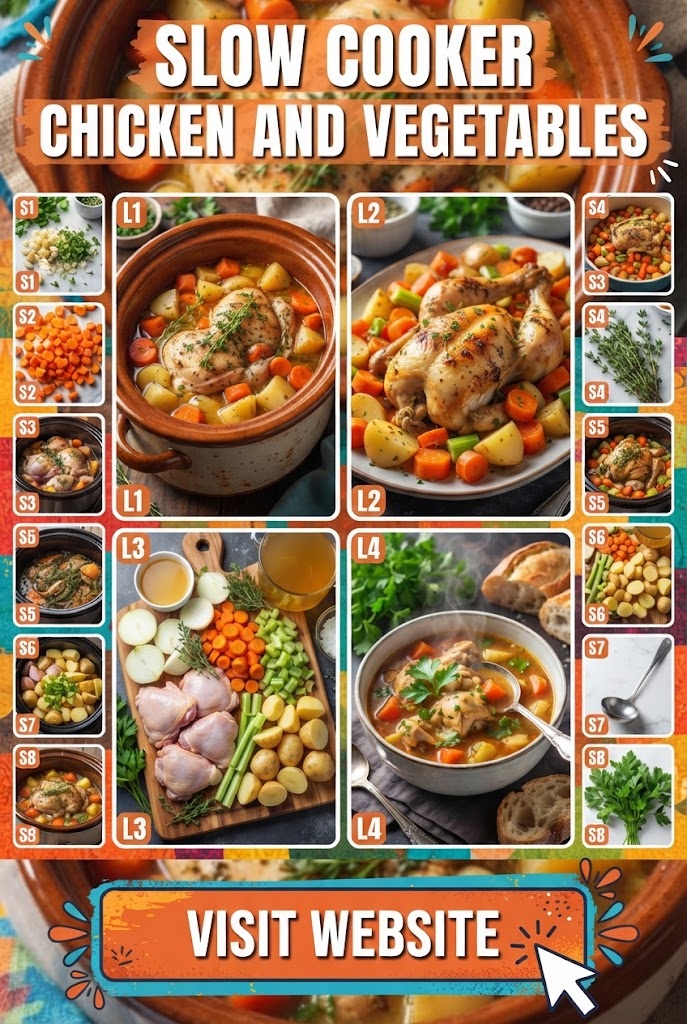
Shredded Chicken Recipe for Lunch or Dinner – With a Simple Marinade and Foolproof Cooking Method
Shredded Chicken
Shredded chicken is one of those incredibly useful recipes that every home cook should have in their collection. It is simple enough for a busy weekday, flavorful enough to serve to guests, and versatile enough to become the foundation of countless lunches and dinners. Once you have a batch of tender, juicy shredded chicken ready in the refrigerator, you can turn it into sandwiches, wraps, tacos, rice bowls, salads, pasta dishes, soups, quesadillas, stuffed potatoes, or quick family dinners.
This shredded chicken recipe uses a simple homemade marinade made with everyday ingredients. The chicken is gently cooked using a foolproof method that helps keep it moist and tender instead of dry and rubbery. After cooking, the chicken is allowed to rest before being shredded, which helps retain its natural juices.
The best part is that you do not need complicated equipment or difficult techniques. A saucepan or deep skillet, a pair of forks, and a few basic ingredients are enough to make delicious shredded chicken at home.
Whether you are preparing lunch for yourself, making dinner for your family, meal-prepping for the week, or simply looking for an easy way to cook chicken breast, this recipe is a reliable option.
Why You Will Love This Shredded Chicken Recipe
There are plenty of ways to prepare chicken, but shredded chicken is especially convenient because it can be used in so many different meals.
1. It uses simple ingredients
You do not need a long list of unusual spices. The marinade combines common pantry ingredients to create a balanced flavor.
2. It is easy to prepare
The process is straightforward: marinate the chicken, cook it gently, rest it, and shred it.
3. It stays juicy
The cooking method is designed to prevent aggressive boiling and overcooking, two common reasons chicken becomes dry.
4. It works for lunch or dinner
Use it in sandwiches for lunch or combine it with rice, vegetables, potatoes, or pasta for dinner.
5. It is excellent for meal preparation
Make a larger batch and keep portions refrigerated for quick meals throughout the week.
6. It is easy to customize
You can make the chicken more garlicky, spicy, smoky, herby, lemony, or creamy depending on how you plan to serve it.
Shredded Chicken Recipe at a Glance
Recipe Name: Shredded Chicken with Simple Marinade
Preparation Time: 15–20 minutes
Marinating Time: 30 minutes to 4 hours
Cooking Time: Approximately 20–30 minutes, depending on chicken thickness
Resting Time: 5–10 minutes
Total Active Time: About 45 minutes
Servings: 4–6
Difficulty: Easy
Cooking Method: Stovetop poaching/simmering
Best For: Lunch, dinner, meal prep, sandwiches, wraps, salads, tacos, rice bowls, and quick family meals
Ingredients
The following ingredients create tender, flavorful chicken without making the recipe unnecessarily complicated.
Ingredient Form
| Ingredient | Amount | Purpose |
|---|---|---|
| Boneless, skinless chicken breasts | 2 lb / 900 g | Main protein |
| Olive oil | 2 tablespoons | Helps carry marinade flavors |
| Lemon juice | 2 tablespoons | Adds brightness and helps tenderize |
| Garlic | 3–4 cloves, minced | Adds savory flavor |
| Paprika | 1 teaspoon | Adds mild warmth and color |
| Ground cumin | ½ teaspoon | Adds earthy depth |
| Dried oregano | 1 teaspoon | Adds herbal flavor |
| Salt | 1½ teaspoons | Enhances overall flavor |
| Black pepper | ½ teaspoon | Adds gentle heat |
| Honey | 1 teaspoon | Balances the lemon and spices |
| Water or low-sodium chicken broth | 1½–2 cups | Cooking liquid |
| Fresh parsley | 2 tablespoons, chopped | Optional finishing herb |
| Lemon wedges | As needed | Optional serving garnish |
Detailed Ingredient Information
1. Boneless, Skinless Chicken Breasts
Chicken breast is ideal for this recipe because it is lean, widely available, and easy to shred after cooking.
For the best results, try to choose chicken breasts that are similar in size. If one piece is significantly thicker than another, it may take longer to cook while the smaller pieces can become overcooked.
You can also use boneless, skinless chicken thighs. Thigh meat contains more fat and can be naturally more forgiving, making it particularly juicy.
For this recipe, approximately 2 pounds or 900 grams of chicken provides enough cooked meat for several servings.
2. Olive Oil
Olive oil gives the marinade a smooth texture and helps distribute the spices over the chicken.
You do not need a large amount. Two tablespoons are enough to coat the chicken properly.
Extra-virgin olive oil works well, but regular olive oil can also be used.
3. Lemon Juice
Fresh lemon juice gives the marinade a bright, fresh flavor.
It also helps balance the richness of the chicken and olive oil.
Freshly squeezed lemon juice is preferable because it generally provides a cleaner flavor than bottled lemon juice.
4. Garlic
Garlic provides the savory foundation of the marinade.
Three or four cloves create a noticeable garlic flavor without overwhelming the chicken.
If you love garlic, you can increase the amount slightly.
5. Paprika
Paprika gives the chicken a warm color and mild peppery flavor.
Regular paprika works perfectly. Smoked paprika can be substituted when you want a deeper smoky flavor.
6. Ground Cumin
Cumin adds an earthy, slightly warm flavor.
Only half a teaspoon is needed because cumin can become dominant when used in large quantities.
7. Dried Oregano
Oregano gives the chicken a pleasant herbal character.
You can replace dried oregano with Italian seasoning if that is what you already have available.
8. Salt
Salt is extremely important because it brings all the other flavors together.
The exact amount you need can vary depending on the chicken broth you use later.
If your broth is already heavily salted, reduce the additional salt slightly.
9. Black Pepper
Freshly ground black pepper adds gentle heat and a little complexity.
You can increase the amount if you enjoy peppery chicken.
10. Honey
A small amount of honey balances the acidity of the lemon juice.
The chicken will not taste sweet. Instead, the honey helps create a more rounded marinade.
You can substitute maple syrup if preferred.
11. Chicken Broth or Water
Chicken broth creates a more savory cooking environment and can contribute additional flavor.
Low-sodium broth is recommended because you have more control over the final salt level.
Water works perfectly well when broth is unavailable.
12. Fresh Parsley
Fresh parsley is optional but makes the finished chicken look fresh and adds a light herbal flavor.
You can also use cilantro, chives, or green onions.
How to Make Shredded Chicken Step by Step
Step 1: Prepare the Chicken
Begin by taking the chicken breasts out of their packaging.
Pat them dry with paper towels.
This removes excess surface moisture and helps the marinade adhere better.
Inspect the chicken breasts and trim away any unwanted pieces of fat or connective tissue.
If some chicken breasts are extremely thick, gently flatten the thickest parts with a meat mallet or rolling pin. The goal is not to make the chicken extremely thin but to create a more even thickness.
This is important because evenly sized chicken cooks more consistently.
Step 2: Make the Simple Marinade
Add the following ingredients to a medium bowl:
- 2 tablespoons olive oil
- 2 tablespoons fresh lemon juice
- 3–4 minced garlic cloves
- 1 teaspoon paprika
- ½ teaspoon cumin
- 1 teaspoon dried oregano
- 1½ teaspoons salt
- ½ teaspoon black pepper
- 1 teaspoon honey
Whisk everything together until the mixture is evenly combined.
The marinade should look smooth, slightly oily, and fragrant.
Taste a tiny amount of the marinade before adding the raw chicken. If needed, adjust the seasoning.
Remember that the marinade should taste slightly stronger than you expect the finished chicken to taste because the chicken will dilute some of the seasoning.
Step 3: Coat the Chicken
Place the chicken breasts into the marinade.
Turn each piece several times so the marinade covers all sides.
Use clean hands or kitchen tongs to rub the marinade evenly over the chicken.
Make sure there are no large areas of chicken left completely uncovered.
Step 4: Let the Chicken Marinate
Cover the bowl or transfer the chicken and marinade into a sealed food-safe container.
Place it in the refrigerator.
Allow the chicken to marinate for at least 30 minutes.
If you have more time, 2–4 hours is excellent.
Avoid leaving chicken in a highly acidic marinade for an excessively long period because the texture can eventually become unpleasant.
For convenience, you can prepare the chicken in the morning and cook it later in the day.
Step 5: Prepare Your Cooking Pan
Place a large saucepan or deep skillet over medium heat.
Add the marinated chicken along with the remaining marinade.
Pour in approximately 1½ cups of low-sodium chicken broth or water.
The liquid should come partway up the chicken rather than completely covering it.
If your chicken breasts are particularly large, you can add a little more liquid.
Step 6: Bring the Liquid to a Gentle Simmer
Turn the heat to medium and allow the liquid to heat gradually.
You want to see small bubbles forming around the edges.
Do not let the chicken boil aggressively.
A hard rolling boil can cause the exterior of the chicken to cook too quickly while making the meat tougher.
Once the liquid reaches a gentle simmer, reduce the heat to low.
Cover the pan with a lid.
Step 7: Cook the Chicken Gently
Allow the chicken to cook gently.
Cooking time depends on the thickness of your chicken breasts.
Smaller pieces may cook relatively quickly, while thick chicken breasts require additional time.
Instead of relying only on the clock, use an instant-read thermometer if you have one.
The thickest part of the chicken should reach 165°F / 74°C for food safety.
Insert the thermometer into the thickest section without touching the pan.
If the chicken has not reached the target temperature, cover the pan again and continue cooking.
Check again after a few minutes.
Step 8: Do Not Overcook the Chicken
This is one of the most important parts of the recipe.
Chicken breast contains relatively little fat. Once it becomes significantly overcooked, it can lose moisture and become dry.
The goal is to cook the chicken until it is safely done and then stop cooking.
You do not need to keep boiling it simply because you want it to become easier to shred.
Proper resting and shredding will take care of the texture.
Step 9: Remove the Chicken From the Pan
Once the chicken reaches 165°F / 74°C, carefully transfer it to a clean plate or shallow bowl.
Do not immediately start shredding it.
Allow it to rest for approximately 5–10 minutes.
During this time, the juices redistribute throughout the meat.
This small step can make a noticeable difference in the final texture.
Step 10: Reserve Some Cooking Liquid
Before discarding the cooking liquid, save approximately ½ cup.
This flavorful liquid can be used later to moisten the shredded chicken.
You may not need all of it.
Start with a small amount and add more only when necessary.
Step 11: Shred the Chicken
There are several ways to shred cooked chicken.
Method 1: Two Forks
Place one chicken breast on a cutting board.
Hold it steady with one fork.
Use a second fork to pull the meat apart into strands.
Continue until the entire breast has been shredded.
This method is simple and gives you good control over the size of the pieces.
Method 2: Stand Mixer
If you are preparing a large batch, place warm cooked chicken into the bowl of a stand mixer.
Use the paddle attachment on low speed.
Mix briefly until the chicken breaks into shredded pieces.
Be careful not to overmix because you do not want to turn the chicken into a paste.
Method 3: Your Hands
Once the chicken has cooled enough to handle safely, you can pull it apart with clean hands.
This gives you excellent control over the texture.
For sandwiches and wraps, medium-sized shreds are ideal.
For soups and tacos, smaller shreds may work better.
Step 12: Add Moisture Back to the Chicken
Transfer the shredded chicken into a bowl.
Add 2–4 tablespoons of the reserved cooking liquid.
Toss gently.
If the chicken still seems dry, add another tablespoon.
Continue until the chicken looks moist but not watery.
This is an excellent trick for keeping shredded chicken juicy.
Step 13: Taste and Adjust the Seasoning
Taste a small portion of the shredded chicken.
You may want to add:
- A little salt
- Fresh black pepper
- More lemon juice
- A pinch of paprika
- Fresh parsley
- A small drizzle of olive oil
If you want a spicy version, add a pinch of chili flakes or cayenne pepper.
Mix gently after seasoning.
Step 14: Finish With Fresh Herbs
Sprinkle chopped fresh parsley over the chicken.
Add a small squeeze of fresh lemon juice.
Do not add too much lemon at once.
Start with a small amount, taste, and adjust.
The finished chicken should taste savory, lightly citrusy, garlicky, and aromatic.
The Foolproof Method Explained
The reason this recipe works so well is that it focuses on a few basic principles.
Even Chicken Thickness
Chicken breasts that are similar in thickness cook more evenly.
If one end is extremely thick, the outside may become overcooked before the center is finished.
Gentle Cooking
A gentle simmer is preferable to aggressive boiling.
The lower cooking intensity helps reduce moisture loss and creates a more tender texture.
Temperature Instead of Guesswork
Cooking time can vary depending on chicken size, pan type, starting temperature, and heat level.
A thermometer provides a much more reliable indication of doneness.
Cook chicken to an internal temperature of 165°F / 74°C.
Resting Before Shredding
Allowing the chicken to rest gives the meat time to retain and redistribute its juices.
Shredding immediately after cooking can result in more moisture escaping onto the cutting board.
Adding Cooking Liquid After Shredding
Even properly cooked chicken can sometimes seem slightly dry after shredding because shredding increases the exposed surface area.
Adding a small amount of flavorful cooking liquid solves this problem.
How to Serve Shredded Chicken for Lunch
This chicken is particularly useful for quick lunches.
Shredded Chicken Sandwich
Place warm shredded chicken on toasted bread.
Add lettuce, tomato, cucumber, and a little mayonnaise or yogurt sauce.
You can also add cheese for a richer sandwich.
Chicken Wrap
Spread yogurt sauce or mayonnaise over a tortilla.
Add shredded chicken, lettuce, cucumber, tomato, and shredded cheese.
Roll tightly and slice in half.
Chicken Salad Bowl
Combine shredded chicken with:
- Lettuce
- Cucumber
- Tomatoes
- Corn
- Carrots
- Avocado
Finish with lemon dressing.
Chicken Rice Bowl
Add cooked rice to a bowl.
Top with shredded chicken and vegetables.
Add a spoonful of yogurt sauce and fresh herbs.
How to Serve Shredded Chicken for Dinner
Chicken Tacos
Warm tortillas and fill them with shredded chicken.
Top with cabbage, tomatoes, onions, avocado, cilantro, and lime.
Chicken Quesadillas
Place shredded chicken and cheese between two tortillas.
Cook in a skillet until the tortillas become crisp and the cheese melts.
Cut into wedges and serve with salsa.
Chicken Pasta
Combine shredded chicken with cooked pasta and a simple creamy or tomato sauce.
Add spinach or roasted vegetables for a complete dinner.
Chicken and Potatoes
Serve seasoned shredded chicken with roasted potatoes and steamed vegetables.
A spoonful of garlic yogurt sauce makes an excellent finishing touch.
Easy Sauce Ideas
The basic chicken can be transformed with different sauces.
Garlic Yogurt Sauce
Mix:
- ½ cup plain yogurt
- 1 minced garlic clove
- 1 tablespoon lemon juice
- Pinch of salt
- Black pepper
Stir until smooth.
Spicy Sauce
Mix:
- 2 tablespoons hot sauce
- 2 tablespoons mayonnaise
- 1 teaspoon lemon juice
Add the sauce to shredded chicken for a spicy sandwich or wrap.
Honey Mustard Sauce
Combine:
- 2 tablespoons mustard
- 1 tablespoon honey
- 2 tablespoons mayonnaise
- 1 teaspoon lemon juice
This works especially well for sandwiches and salads.
Recipe Variations
One of the biggest advantages of shredded chicken is its flexibility.
Spicy Shredded Chicken
Add:
- ½ teaspoon chili powder
- ¼ teaspoon cayenne
- ½ teaspoon smoked paprika
This creates a warmer, spicier flavor.
Garlic Herb Chicken
Increase the garlic and add:
- Rosemary
- Thyme
- Parsley
This version is excellent with potatoes and rice.
Smoky Shredded Chicken
Replace regular paprika with smoked paprika.
Add a small pinch of chili powder.
This creates a deeper smoky flavor.
Lemon Pepper Chicken
Increase the lemon juice slightly and add extra black pepper.
Finish the chicken with fresh lemon zest.
Mediterranean-Style Chicken
Add oregano, parsley, lemon, garlic, and a little cumin.
Serve with cucumber, tomato, olives, rice, and yogurt sauce.
Shredded Chicken Meal Prep
This recipe is excellent for meal preparation.
Prepare a large batch at the beginning of the week and divide it into individual portions.
For example, one portion can become a wrap, another can become a rice bowl, and another can become a salad.
This gives you different meals without cooking chicken from scratch every day.
How to Store Cooked Shredded Chicken
Allow the chicken to cool appropriately before transferring it to an airtight container.
Keep it refrigerated and use it within 3–4 days.
For best quality, store the chicken with a small amount of cooking liquid.
This helps prevent it from drying out.
Always reheat leftovers thoroughly.
How to Freeze Shredded Chicken
Shredded chicken freezes very well.
Divide the cooled chicken into practical portions.
Place each portion into a freezer-safe container or bag.
Remove as much excess air as possible.
Label the container with the date.
For best quality, use frozen shredded chicken within approximately 2–3 months.
When ready to use it, thaw it safely in the refrigerator.
You can then reheat it gently in a saucepan or microwave.
Add a small splash of broth or water if the chicken seems dry.
How to Reheat Shredded Chicken
The best way to reheat shredded chicken is gently.
Place the chicken in a saucepan.
Add a small amount of chicken broth or water.
Cover and heat over low to medium-low heat until warmed through.
Avoid cooking it for a long time because reheating for too long can make the chicken dry.
For microwave reheating, place the chicken in a microwave-safe bowl.
Add a splash of broth or water.
Cover loosely and heat in short intervals, stirring between intervals.
Common Mistakes to Avoid
Mistake 1: Boiling Too Aggressively
A rapid boil can make chicken tough.
Use a gentle simmer instead.
Mistake 2: Cooking Without Checking Temperature
Cooking time is not always predictable.
A thermometer gives you a more dependable way to determine when the chicken is done.
Mistake 3: Shredding Immediately
Give the chicken several minutes to rest.
This helps maintain moisture.
Mistake 4: Using Too Much Lemon
Lemon adds brightness, but excessive acidity can overpower the chicken.
Use it in moderation.
Mistake 5: Adding Too Much Liquid After Shredding
The cooking liquid is useful, but you do not want watery chicken.
Add a little at a time.
Mistake 6: Cutting the Chicken Into Tiny Pieces Before Cooking
Large pieces are generally easier to keep moist.
Cook the chicken first and shred it afterward.
Frequently Asked Questions
Can I use chicken thighs?
Yes.
Boneless, skinless chicken thighs are an excellent alternative.
They contain more fat than chicken breast and can be especially juicy.
Can I skip the marinade?
Yes, but the marinade adds a lot of flavor.
If you are short on time, even 20–30 minutes can help.
Can I use frozen chicken?
It is generally better to thaw chicken safely in the refrigerator before marinating and cooking.
Thawed chicken also allows the marinade to coat the meat more evenly.
Can I make this recipe spicy?
Absolutely.
Add chili powder, cayenne pepper, crushed red pepper flakes, or your favorite hot sauce.
Can I use this chicken in tacos?
Yes.
Shredded chicken is excellent for tacos.
Add cabbage, avocado, tomatoes, onion, cilantro, and lime.
Can I use this chicken in sandwiches?
Yes.
It is one of the easiest ways to use it.
Add mayonnaise, yogurt sauce, cheese, lettuce, tomato, or avocado.
How do I prevent shredded chicken from becoming dry?
Avoid overcooking it, cook it gently, allow it to rest, and add a small amount of reserved cooking liquid after shredding.
What if my chicken is tough?
Tough chicken can result from overcooking, aggressive boiling, or using very lean meat.
If the chicken is already cooked, shred it finely and add warm broth or sauce.
For the next batch, monitor the temperature more carefully and avoid a hard boil.
How finely should I shred the chicken?
It depends on the dish.
Use medium shreds for sandwiches and wraps.
Use smaller shreds for soups, tacos, and casseroles.
Larger pieces work well for salads and bowls.
Complete Recipe Card
Shredded Chicken With Simple Marinade
Ingredients
- 2 lb / 900 g boneless, skinless chicken breasts
- 2 tablespoons olive oil
- 2 tablespoons fresh lemon juice
- 3–4 garlic cloves, minced
- 1 teaspoon paprika
- ½ teaspoon ground cumin
- 1 teaspoon dried oregano
- 1½ teaspoons salt
- ½ teaspoon black pepper
- 1 teaspoon honey
- 1½–2 cups low-sodium chicken broth or water
- 2 tablespoons fresh parsley, chopped
- Lemon wedges for serving
Instructions
- Pat the chicken dry with paper towels.
- Trim away unwanted fat or connective tissue.
- If necessary, gently flatten very thick sections so the chicken has a more even thickness.
- Combine olive oil, lemon juice, garlic, paprika, cumin, oregano, salt, pepper, and honey in a bowl.
- Whisk until combined.
- Add chicken and coat thoroughly.
- Cover and refrigerate for at least 30 minutes.
- Place chicken and marinade into a deep skillet or saucepan.
- Add 1½ cups chicken broth or water.
- Heat over medium heat until the liquid reaches a gentle simmer.
- Reduce the heat to low.
- Cover the pan.
- Cook gently until the thickest part of the chicken reaches 165°F / 74°C.
- Transfer chicken to a clean plate.
- Rest for 5–10 minutes.
- Reserve approximately ½ cup of the cooking liquid.
- Shred the chicken using two forks, clean hands, or a stand mixer.
- Return the shredded chicken to a bowl.
- Add several tablespoons of reserved cooking liquid.
- Toss gently.
- Taste and adjust salt, pepper, lemon, or herbs.
- Garnish with fresh parsley.
- Serve immediately or cool and store properly.
What to Serve With Shredded Chicken
A simple shredded chicken dinner becomes much more interesting when paired with the right sides.
Rice
Plain steamed rice is an easy choice.
You can also use garlic rice, lemon rice, or seasoned rice.
Potatoes
Roasted potatoes, mashed potatoes, baked potatoes, or crispy potato wedges work well.
Vegetables
Try:
- Broccoli
- Carrots
- Green beans
- Bell peppers
- Zucchini
- Corn
- Cauliflower
Salad
A fresh salad provides contrast to the warm savory chicken.
Combine lettuce, cucumber, tomato, onion, and lemon dressing.
Bread
Serve shredded chicken with toasted bread, flatbread, pita, or dinner rolls.
Tips for the Juiciest Shredded Chicken
Use evenly sized chicken breasts
This is one of the simplest ways to improve consistency.
Do not use excessive heat
Gentle cooking is the secret.
Use a thermometer
It eliminates much of the guesswork.
Rest the chicken
Give it several minutes before shredding.
Keep some cooking liquid
Do not throw everything away immediately.
That liquid can rescue chicken that needs additional moisture.
Do not over-shred
The chicken should remain recognizable as tender strands rather than becoming mushy.
A Simple Weekly Meal Plan Using This Chicken
One batch can be transformed into several different meals.
Day 1: Chicken Rice Bowl
Serve shredded chicken over rice with cucumber, tomato, and yogurt sauce.
Day 2: Chicken Wrap
Use tortilla bread, chicken, lettuce, tomato, and garlic sauce.
Day 3: Chicken Quesadilla
Combine chicken with cheese and crisp tortillas in a skillet.
Day 4: Chicken Salad
Mix chicken with fresh vegetables and lemon dressing.
Day 5: Chicken Pasta
Add shredded chicken to your favorite pasta sauce.
This approach saves time because you prepare the main protein only once.
Why This Recipe Is Great for Busy Families
Weeknight cooking can be difficult when everyone has different schedules.
A batch of shredded chicken gives you a flexible base that can be used in different ways.
Instead of preparing an entirely new protein every evening, you can simply change the sauce, side dishes, or serving style.
The same chicken can become Mexican-inspired tacos one day, a Mediterranean-style bowl the next day, and a creamy pasta dinner later in the week.
This flexibility is what makes shredded chicken such a useful meal-prep recipe.
Final Thoughts
This shredded chicken recipe is simple, practical, and highly versatile. The homemade marinade combines olive oil, lemon, garlic, paprika, cumin, oregano, honey, salt, and black pepper to create a flavorful base without requiring complicated ingredients.
The most important part of the cooking process is controlling the heat. Instead of aggressively boiling the chicken, cook it gently in a flavorful liquid until the thickest part reaches 165°F / 74°C. Allowing the chicken to rest before shredding helps preserve its moisture, while adding a small amount of reserved cooking liquid afterward keeps the shredded meat tender.
Once prepared, the chicken can be used in countless meals. Make sandwiches and wraps for lunch, tacos and quesadillas for a quick dinner, or rice bowls, salads, pasta, and casseroles when you want something more substantial.
It is also an excellent meal-prep recipe because the cooked chicken can be refrigerated for several days or frozen for longer storage. Preparing a batch ahead of time means that a quick homemade meal is always within reach.
The recipe is easy enough for beginners but useful enough to become a regular part of your cooking routine. With a few simple ingredients and the right cooking method, you can consistently prepare tender, flavorful shredded chicken that works for breakfast-style wraps, quick lunches, family dinners, meal-prep bowls, sandwiches, and much more.
The key is simple: marinate well, cook gently, check the temperature, rest the chicken, shred it carefully, and add back a little flavorful cooking liquid.
Follow those steps, and you will have juicy homemade shredded chicken ready for almost any meal.